
A little maze / activity page that I made for Soorp Hagop / St. James of Nisibis’ commemoration day the other month.

A little maze / activity page that I made for Soorp Hagop / St. James of Nisibis’ commemoration day the other month.
A quick activity / coloring page for The Feast of the Naming of Jesus Christ.

Kids are still stuck at home, so I’m trying to think of as many activities as possible to keep them busy. This lasted all of 10 minutes, but HEY. I made it, so I might as well share it. Helloooo!
More on the feast: https://armenianchurch.ge/en/kalendar-prazdnikov/description-2/january/feast-of-naming
Another list of good resources for folx! This time, board books in Western Armenian, perfect for babies and toddler-aged kiddos.
In case you don’t have kids or you’re shopping for someone else, board books are essential for kids in the 0-4 age range. Regular paper books get ripped, chewed on, bindings get shredded, covered in sticky stuff, etc. That’s pretty devastating when these aren’t books you can just pick up from a yard sale down the road. So here’s literally every wonderful, durable board book in Western Armenian I’ve been able to find.
There are these two from the Eastern Diocese of the Armenian Church that we love, both illustrated by the talented Anush Movsesian Avejic:
Transliteration NO
Translation YES
Reading level BEGINNER-INTERMEDIATE
| When I Was Baptised (Yerp Yes Mgrdvetsah) | When I Go To Church (Yerp Yeghehetsi Gertam) |
 |  |
This series of three by Kids Reading Armenian:
Translation NO
Transliteration YES
Reading level BEGINNER-INTERMEDIATE
| Sweet Sleep, Good Dream – Անուշ Քուն, Բարի Երազ (Anoush Koon, Pahrhee Yeraz) [our review] | The Happy Piggy – ՈՒՐԱԽ ԽՈԶՈՒԿԸ (Oorakh Khozooguh) | Diligent Ants – Աշխատասէր Մրջիւններ (Ashkhadaser Murchooner) |
 |  |  |
Two super easy and readable books by Alik Arzoumanian:
Translation NO (but you probably don’t need it)
Transliteration NO
Reading level VERY BEGINNER
From Cascade Press:
Translation NO (but you can get the English version of these books separately)
Transliteration NO
Reading level INTERMEDIATE
| Kisher Paree Luscine (Western Armenian translation of Goodnight Moon) | The complete “Frog and Toad” series, plus “Owl at Home” (Western Armenian translation of the series) – a 5-book set, including Frog and Toad Are Friends, Days with Frog and Toad, Frog and Toad All Year, Frog and Toad Together, Owl at Home |
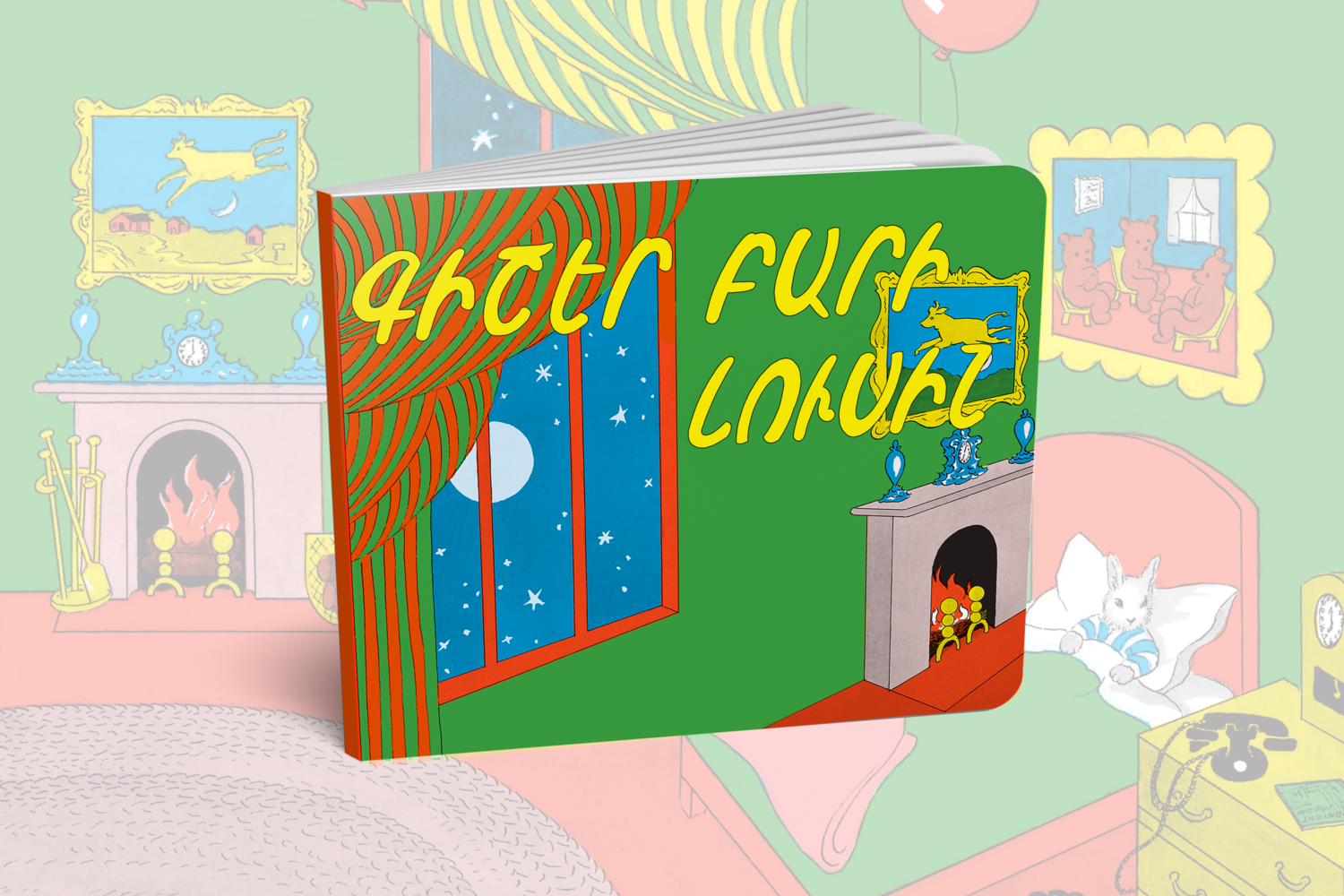 |  |
And a few one-off publications:
Proud Armenian – Հպարտ Հայ (Hbard Hye), by Meghri Dervartanian [our review]
Translation NO
Transliteration NO
Reading level BEGINNER
Hello Yerevan (Parev Yerevan), by Taleen Moughamian
Translation NO
Transliteration NO
Reading level INTERMEDIATE
There are also several “Learn Armenian” style books – visual dictionaries, books introducing the alphabet, etc. I think all of the Western Armenian board book ones are from Cilicia Press. Some of these have pretty advanced concepts that are hard for toddlers to understand, but they ARE board books. Generally beginner level.
Our Body (Mer Marmine)
My First Words (Arachin Parers)
Opposite Words (Haganish Parer)
Numbers (Tvanshanner)
In the Farm (Akaragin Mech)
Colors (Kooyner) Գոյներ
Fruits and Vegetables (Bdookhner yev Panchareghenner) Պտուղներ եւ բանջարեղեններ
Geography Terms Մակերեւոյթ
Alphabet (Ayp oo Pen) Այբ ու Բեն
Inventions (Kiuder) Գիւտեր
The Time (Jhamanaguh) Ժամանակը
Transport Փոխադրամիջոցներ
What We Do? Ի՞նչ կ’ընենք
The Zoo Կենդանաբանական պարտէզը
Senses Զգայարանքներ
Letter to Santa Claus Namak Kaghand Papayin
^ you’ll see, there are a ton of these… I’m really not sure I’ve captured them all.
HONORABLE MENTIONS / BONUS BOOKS
This FOAM book about the alphabet
This visual dictionary (not toddler-sturdy, but a great “look and find” type book), Բառաշխարհ (Parashkhar) [our review]
& a bonus resource: Where to buy Western Armenian Books online

Vartan and I welcomed our third child into the world in September, Nareg / Narek Babikyan.
I write “Nareg / Narek” because for a few days after his birth, we weren’t quite sure how we’d actually officially spell it on his birth certificate. We left the hospital with the forms incomplete, and went home to discuss/debate.
This is the problem, when you’re trying to name a child and it’s spelled in the ‘wrong’ language. The Anglicized and popularized version of Նարեկ is “Narek” – according to the Catholic Church who recognizes Saint Gregory of Narek as a Doctor of the Church, according to the spelling in articles from our Eastern Diocese, in the English translation of Soorp Grigor Narekatsi’s prayer book, “Speaking with God from the Depths of the Heart.” The one other Նարեկ I knew in my life spelled it “Narek” in English. When I was pregnant and Vartan and I were talking about names, we wrote it “Narek.” I tested the pronounceability of the name with my siblings and friends as “Narek.” I think we even texted the official announcement of his birth to our family using “Narek.”
But when it came time to put pen to paper (literally), we hesitated. Nareg is more correct. Nareg is the Western Armenian spelling. We spell our other son’s name “Hagop,” not “Hakob.” Why bend the ‘correct’ transliteration to match the more popularized version? I was afraid that Americans would mispronounce “Nareg” much more than “Narek” (Nar-ejj? Nar-egg?)… but why spell his name with a K just so it’s easier for Americans to pronounce? Shouldn’t we be teaching Americans how to pronounce NareG correctly? Whether you lean more K or G, կ is a beautiful, subtle, and entirely achievable sound.
Although the “Nareg” pronunciation was untested by my American family and friends, and the Armenian-from-Armenia birth registrar thought I was a crazy person, that’s where we landed. And why.
A part of me wonders… does it even really matter? My Nareg can grow up and change the spelling of his name, in all but the strictest of legal settings. If he wants to present himself as Narek at school or on job applications because he thinks it’s more pronounceable, go for it. His name will never be fully ‘correct’ anyway, because our last name is ‘wrong’ — we spell it BabiKyan instead of BabiGian or Babigyan…
At the end of the day, I’m proud to have given my children Armenian names, no matter how many times I have to say, “Hagop – like Jacob with an H,” “Zabel – like Isabel without the I,” or “Nareg – say ‘not egg’ really fast.“

Parashkhar is our new favorite book. It’s beautiful, well-made, and well designed. It’s an oversized paperback 64-page visual dictionary for Western Armenian, and I HIGHLY recommend it to anyone who is trying to learn the language.
What sets this book apart from similar visual dictionaries like “my first book of Armenian words” is that every page spread introduces words in a SCENE. So you’re learning the words in context, and not abstractly on their own. I’ve also found that the scenes are highly RELEVANT to the Armenian we want to use in everyday life. The best example I can think of is the FOOD page, which actually teaches you how to say things like “pizza”, “pasta”, and “ketchup.”


It’s a paperback, not a board book or even a hardcover, so if you’re using it with kids you’ll want to be a little careful with it. And it’s oversized, so you have to handle it a bit to keep the pages open. We’ve already ripped the binding. However, we’ve found it to be great for Hagop right now, because he’s very into “look & find”-type books. He’ll point out one of the pictures along the border of the page, and then we try to find it in the scene. You’ll also want to note that this was published in Istanbul, and might have a few Bolsahye-specific words for things (Armenians living in Istanbul).
So, overall, we’re huge fans, and I want to buy copies for everyone I know. Right now, you can get it from Abril books, but if we find it on the East coast or figure out international shipping I’ll let you all know. 🙂
Western Armenian YES
Translation NO
Transliteration NO
Reading level BEGINNER
Hbard Hye
Proud Armenian
Հպարտ Հայ
Meghri Dervartanian (author)
Drawings by Meghri’s cousin
I was glad to come across Hbard Hye a few months back – another Western Armenian board book to add to our collection for the kiddos. The more we’ve read it, the more I’ve come to appreciate it.
In Hbard Hye, the characters Haig and Nareh are dressed in traditional taraz, and in front of Armenian landmarks, they show and tell about us all of the activities they do as “proud Armenians.” I like this because it is so Armenian. I’ve been able to show Hagop pieces of his heritage without resorting to YouTube videos. Of course, as things begin to open up now that Covid-19 is being managed, we’ll be able to take him to more in-person things. But for now, it’s been great to have something like this in board book form.
There’s no English or transliteration, but the reading is very manageable for me, as a beginner / intermediate reader. It’s in Armenian, with large letters, so I imagine it’s good for a kid starting to read on their own too.

Coolest thing about this book, I learned when looking it up to write this review. The author is LOCAL to me, in Watertown! And only 23, at the time the book was published. Wow. I am so grateful for Meghri’s contribution.
Western Armenian YES
Translation NO
Transliteration NO
Reading level BEGINNER

We just got a copy of “Կարմիր Կօշիկ” (Garmir Goshig) in the mail, fresh off a big order from Abrilbooks.com. Garmir Goshig is the third book by Alik Arzoumanian, published by Kirk Mirk. It’s an adorable, 16-page board book, small and square and toddler-sized. It’s in the same style as the author’s “Բոպիկ Տոտիկ” (Pobig Dodig) book, and features adorable, accessible illustrations.
The story follows a little boy getting dressed to go out in the morning. Each page, the boy puts on one article of clothing, each in a different color. So each page, you learn a new color and a new clothing word. It’s incredibly simple – the text on each page is literally, “garmir goshig” (red shoes), “germag vardig” (white underwear).
We love the book. It teaches exactly the right things, at exactly the right age. Colors and articles of clothing are words we use with our kids all the time. Hagopig is learning to dress himself more independently, so the book is a great way to walk him through that as well. One particularly great thing is that every time you learn a new color, a new toy is added to the background in that same color. The toys stay consistent throughout the rest of the pages, so the book gets more and more colorful as you go along. You can keep referring back to colors you’ve just learned by pointing to the clothes the boy is wearing, or the new gaboyd (blue) car on the floor of the boy’s room.

Now, the book is written in Western Armenian, without transliteration, so you’ll need to know how to read the alphabet in order to sound out the words. (If you don’t know, you can start here!) It did throw me off that the author uses “ganach” for green instead of “gananch,” as I know it, but that’s just a dialect thing and “ganach” is the more widely used word.
Overall, 5/5.
Western Armenian ✅
Transliteration ❎
Translation ❎ (but you really don’t need it)
You can find more from Alik:
https://www.etsy.com/people/alikarzoumanian
http://www.studioalique.com/bookstore

Last month, we threw a virtual agra hadik party for our daughter Zabel. I’ve never been to a real one. We’ve been to a few first birthday parties where they do the activity there, but never to a standalone party. The one friend who WOULD have thrown a party (from Yerevan, of course) couldn’t do it because of Covid-19.
We were feeling pretty badly that none of our friends had really met Zabel, because of the pandemic, so we decided to throw her a virtual one over Zoom.
Of course, there’s nothing online about how you can do that. So, here’s the PowerPoint we used to structure the little party. It was short and sweet. Feel free to use the structure if you want to host your own!
(P.S. Zabel picked the gavel, so lawyer / judge / politician?)
RANDOM, I tell you.
Yesterday was the Commemoration of Jonah in the Armenian church calendar. We told Hagop the story of Jonah (Hovnan), and I made this fun drawing page. We’ve been practicing drawing straight lines and tracing.


 Hye Home