Some exciting things lately, that may or may not already be on your radar!
This is relevant to anyone who is trying to learn to read Western Armenian, whether you have kids or not. Reading kids’ books is a great way to practice!
The news:
A bunch of Armenian children’s books have recently been published.
AND… more are coming!
I don’t have reviews for these yet, because they’re all Christmas presents for the kids. But I’m SUPER excited to read:
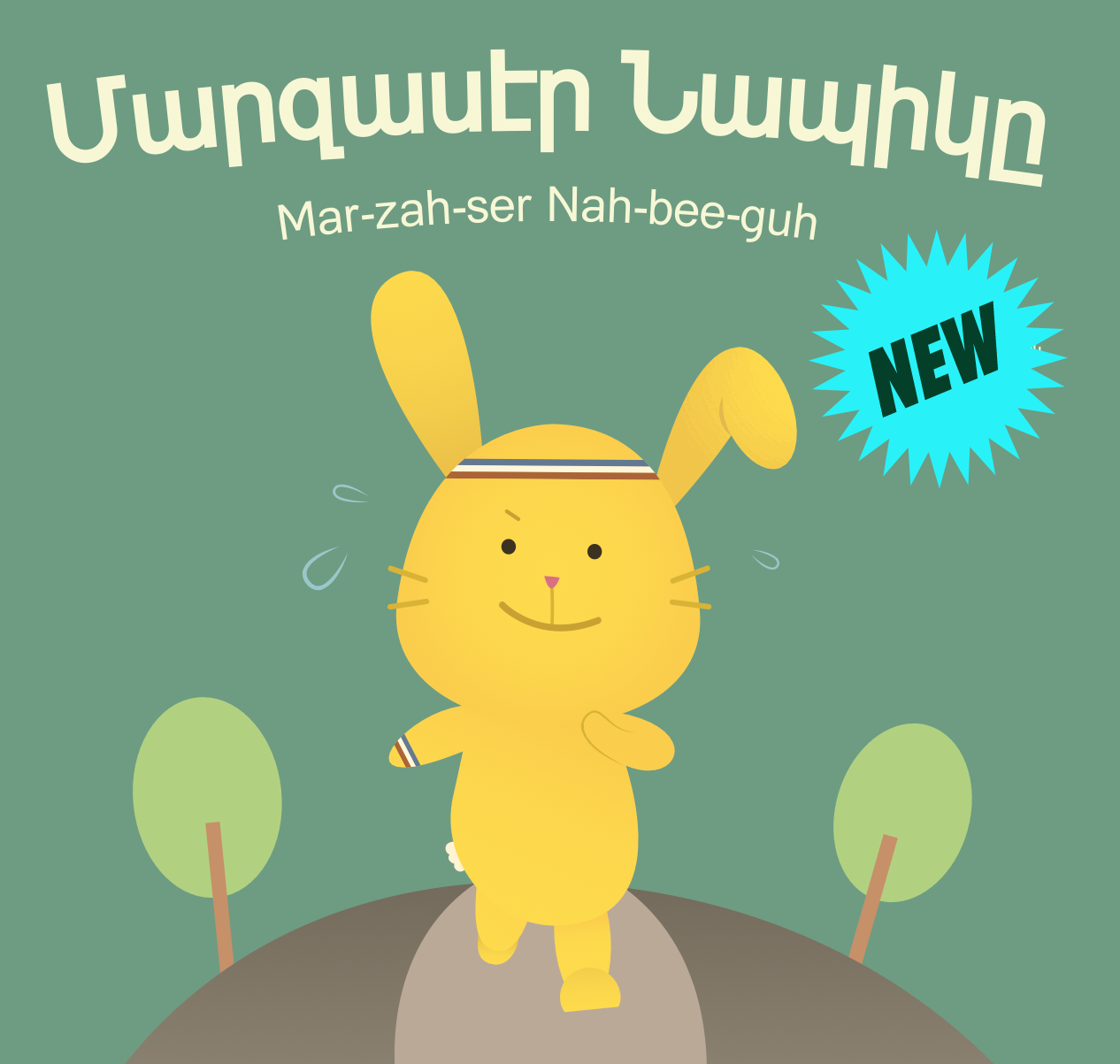
3. Set of 3 Armenian Nursery Rhyme Books – Nabastag, Gaghant Baba, and Dzapig Dzapig Dziranig – (Rabbit, Santa Claus, & Clap Clap Little Apricot) by Lucy at GarTam Books (their first publication! Hello!)
dramatically increase the number of Western-Armenian published books (and audiobooks) for children and young adults worldwide.
create classroom resources in Western Armenian to support current and future teachers and schools.
provide publishing-income and career-path opportunities for current and future Armenian authors, illustrators, editors, and translators.
Can you imagine? And audiobooks!? Take my $$$. (They are a non-profit 501c3, so donations are tax-deductible.) Sign up for their mailing list for more news as they grow.
Today, Dec. 9th, the Armenian Church celebrates the Conception of St. Mary. This feast is one of the few tied to an actual calendar date (the Armenian Church calendar is wild, y’all).
What did the feast day look like in our house tonight? Well, Vartan and I were too busy with work to cook a nice dinner or even order takeout, but we managed to cobble together a “game night” and enjoyed a fire in the fireplace. (Shoutout to Hye Lezu’s Fruit & Veggies Armenian Bingo game, by the way.) The kids and I colored while Vartan made the fire.
The teaching on the Immaculate Conception was in wide circulation in the West in the Middle Ages and was rejected by several prominent Medieval Catholic theologians, including St. Thomas Aquinas. The Eastern Orthodox and the Oriental Orthodox churches never accepted it and considered it an innovation that was alien to the teachings of the fathers of the church.
According to the Catechism of the Catholic Church (§ 491-492), the Blessed Virgin Mary, the Mother of Jesus Christ our Savior, “was redeemed from the moment of her conception.” This teaching, which has a long history in the West but was unknown in Armenian circles, was not accepted as a Roman Catholic dogma until 1854, when Pope Pius IX issued an encyclical (Ineffabilis Deus) declaring that Mart “from the first moment of her conception…was by God’s grace and by virtue of the merits of Jesus Christ…immune from all stain of original sin.” Archbishop Kevork Hurmizian, a member of the Mekhitarist order of Venice, was among the prelates who requested the Pope declare this teaching a dogma of the Catholic Church.
In the Armenian tradition there is no mention of the Holy Virgin’s conception until the 14th century. It was during the late Cilician period that he Armenian Church fathers became aware of some of the questions about the Holy Virgin’s conception under discussion among the theologians of the Roman Catholic Church. The Feast of the Virgin’s Conception, which is now celebrated on December 9, was not introduced into the Armenian tradition until the 17th Century, and it was done so under Western influence.
The earliest Armenian discussion about the Conception of the Virgin is to be found in St. Gregory of Datev’s Book of Questions, where he upholds the view that is traditional in the East. According to this, the Holy Virgin was free of the seven cardinal sins and all the forgivable sins, but show as now immune from original sin, with which all humans are born. According to St.Gregory of Datev, the Holy Virgin was cleansed of original sin by the Holy Sprit at the time of Annunciation. Christ, taking body from the Holy Virgin, took the original sin of mankind on himself and took it with him onto the cross: He himself bore our sins in his body on the tree, that we might die to sin and live to righteousness (1 Peter 2:24). The Armenian Church’s view of the Holy Virgin in this matter is best summarized by the 12th Century Catholicos St. Nerses the Graceful, who states: The Virgin Mary, from whom he took flesh, was of the peccable nature of Adam [the nature being] united with the divine nature of God, the peccable became impeccable…
The Eastern Orthodox and the Armenian veneration of the Assumption of the Holy Virgin differs from that of the new Roman Catholic dogma, which implies that Mary did not die because of her immunity from original sin. The Eastern churches maintain that Mary died and they celebrate her Dormition as well as her Assumption. The Assumption in the Eastern churches is a pious belief, whereas in the Roman Catholic Church it has been declared a dogma ever since 1950.
If you want to learn more about who St. Mary IS in/to the Armenian Church, the Eastern Diocese’s Virtual Pilgrimage to the Tomb of Mary is great. I remember Session 3: Mary the Mother of God being especially informative, but the whole thing is worth a watch. (Or trip? 😉)
Wooo! Feels like forever since I’ve posted something.
Now that our youngest kiddo Nareg is finally sleeping through the night, walking, and generally a little more independent, Vartan and I have had more free time to devote to language learning, the Armash book translation, and art. Here’s what we’ve been up to.
— Kicking language learning into full gear. We’ve posted a whole heckuva bunch of post-its with Armenian words and phrases all around the house. We’ve actually properly re-installed the Anki flash card app on our phones and computers (confusing, because there’s a web version and app version now, with separate logins?), and we’ve started a new Anki deck with some words we prioritized together. *I will have new decks to share with you all soon.*
— We’ve been really loving these new ayp pen kim events at the National Association for Armenian Studies and Research (NAASR). Meghri Dervartanian (author of Hbard Hye) has run the first two. Super cute. Story time followed by a little craft or dance. Marketed as a “children’s event,” the kids who are there are mostly under 5, and I’d say it’s great for that 2-5 group. That’s really nice, because there are other activities in our area (Armenian Saturday Schools, Homenetmen Scouts) for ages 4+ but nothing for younger kids.
— I’ve made some great progress on the mural in my kids’ room:
— We HAVE the final translation of the book about Armash… see earlier post: Translation in progress, book about Armash. We need to add in pictures and do some final editing, but should have that ready for “publishing” here soon too.
SO much more, SO busy, but getting to a more stable phase where I feel like I can post more often. Fingers crossed!
Hi, all! There are two online Western Armenian classes, accepting sign-ups right now. Students can come from all over. I hope one of these works for some of you!
Mesrob Mashdotz Institute Western Armenian Language Classes, affiliated with St. James Armenian Church in Watertown, MA
Starts October 3rd
Fully remote via Zoom
Classes held Monday OR Wednesday nights from 7-9pm.
“Please e-mail Annie Chekijian (anniechekijian@msn.com) or call 617-489-5984 OR 617-610-9205 for further questions and details.”
Vartan and I took these classes in person for several years, several years ago. They’re SO great. At that time, they had beginner, intermediate, advanced, and conversational class options.
Western Armenian Conversational online courses for beginners and advanced, from Hamazkayin Armenian Educational and Cultural Association of Canada
Saturdays: Sept 24 – Nov 26, 2022 (10 classes)
Advanced: 10 am – 12 pm
Beginners: 1 – 3 pm (might be changed to weeknights)
To register please contact the teacher Salpi Kassbarian at salpikass@gmail.com or 514-726-8800.
Արեւմտահայերէնի Խօսակցական առցանց դասեր սկսնակներու եւ յառաջացածներու համար
Գանատայի Համազգայինը ուրախութեամբ կը յայտարարէ նոր դասաշրջան մը Արեւմտահայերէնի խօսակցական առցանց դասընթացքներու չափահասներու համար (լատիներէն գիրերով), որոնք տեղի պիտի ունենան Շաբաթ օրերը 24 Սեպտեբերէն 26 Նոյեմբեր (10 դասապահեր)։
According to the women in the USArmenian Moms Facebook group I’m in! Someone asked their opinions about modern Armenian girl names, and here were the most popular answers. I standardized the responses, so Mane could also be spelled Maneh, Datev as Tatev, etc. depending on your dialect. I just spelled them the same way to give a visual sense of which we’re the most popular overall. Most of the women in that group are from Hayasdan (Armenia) and live in California, for additional context. I thought it was a great real-life check-in about popular names, rather than just one person’s opinion, or baby name lists from Armenia itself.
Been making lots of these lately. Since today is Transfiguration, figured I’d share this one! Lots of other exciting stuff coming soon. Finally progress on some language stuff, and the translation of the book about Armash is done! Hope folks enjoy coloring this in as much as I enjoyed making it. ~K
Ages ago, I got access to a Western Armenian dictionary in EXCEL format. Absolute gold for creating your own flash cards.
Quick screenshot of the dictionary in Excel.
I went through and categorized the words by frequency of use – or at least, as best as I could guess – IN ACTUAL CONVERSATION. So, it’s prioritized by the words I actually wanted to learn how to say, rather than by theme. You’re more likely to say “countertop” than “crocodile,” for instance. Textbooks often teach vocabulary thematically, so you aren’t always taught in a way that makes sense for actually USING the language.
Anyway, here’s what I came up with. I marked all the words I already knew as 0, all the words I could never imagine using as 99, and then grouped vocabulary by order of priority. Then you can use the number column to sort your OWN priority words, and import the file into a flashcard application like Anki.
From the Sharagnotz (book of hymns) of the Armenian Orthodox Church:
Today the Holy Church celebrates the memory of the invincible Saint Hripsime; With the bodiless hosts blessing the Lord God of our fathers.
Today Saint Hripsime was called into the Kingdom of Heaven For in combat with the tyrant she courageously conquered him. Confessing Christ the King, the Lord God of our fathers.
…
With new songs of praise, praise Christ the King Who adorned Saints Hripsime and Gayaneh with a resplendent crowns.
…
Christ God, You opened to Saint Hripsime the door of faith; To confess your divinity by martyrdom among the Armenians.
She, clad in victory, shines in radiant mansions; And with the hosts of the bodiless, confesses Christ the King.
Receive us also who have assembled here, O Savior; Through the intercession of the holy virgin companions of Hripsime; as a child of God. And write us down in the book of life.
My kids decorated their own “thrones,” which they sat in (for a hot second) while watching the enthronement service for our new Diocesan Primate Fr. Mesrop Parsamyan yesterday. They spent WAY more time decorating than they did watching, but it was a cute way to try and involve them. We’re all home sick (again! agh!), so I was trying to keep them entertained without TV!



 Hye Home